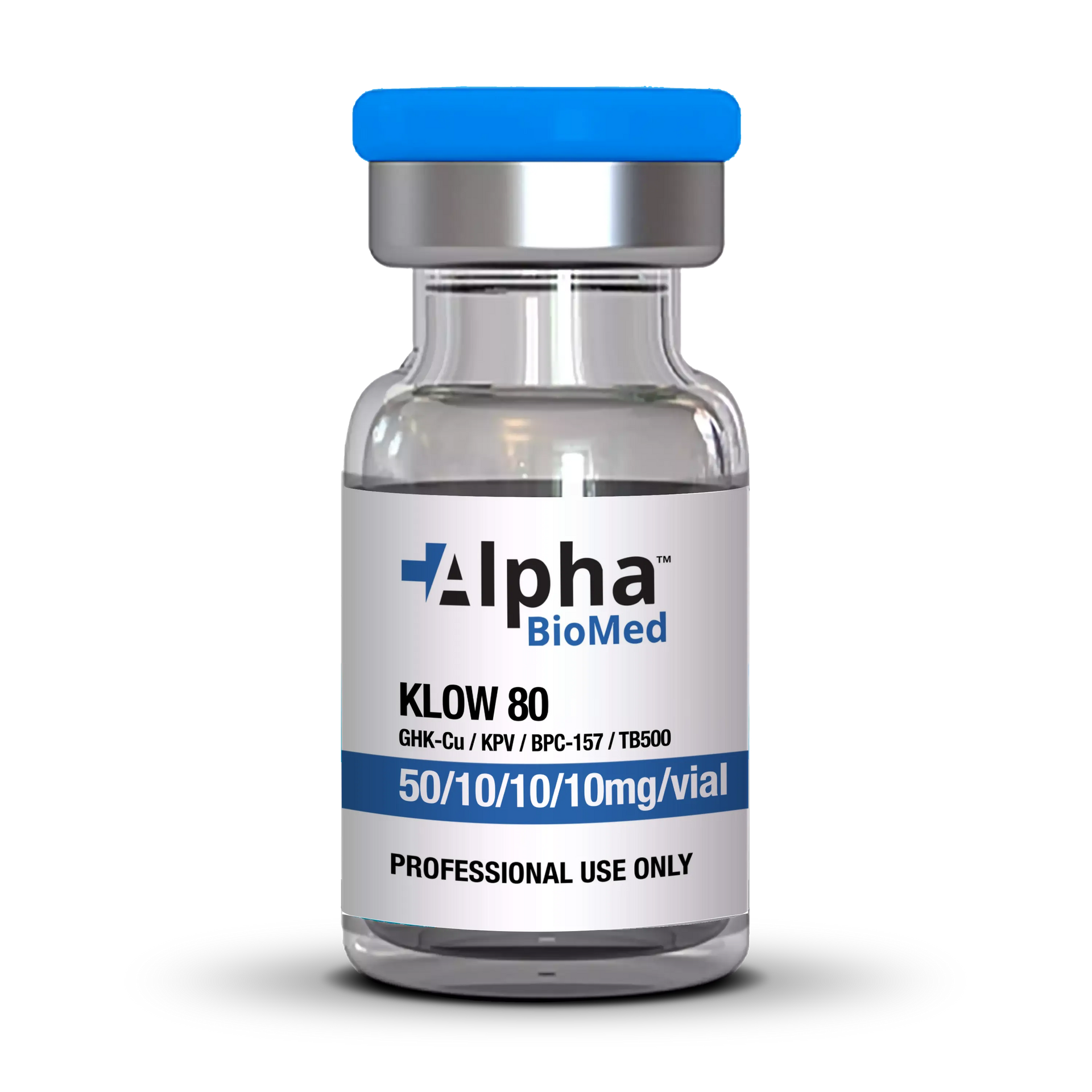
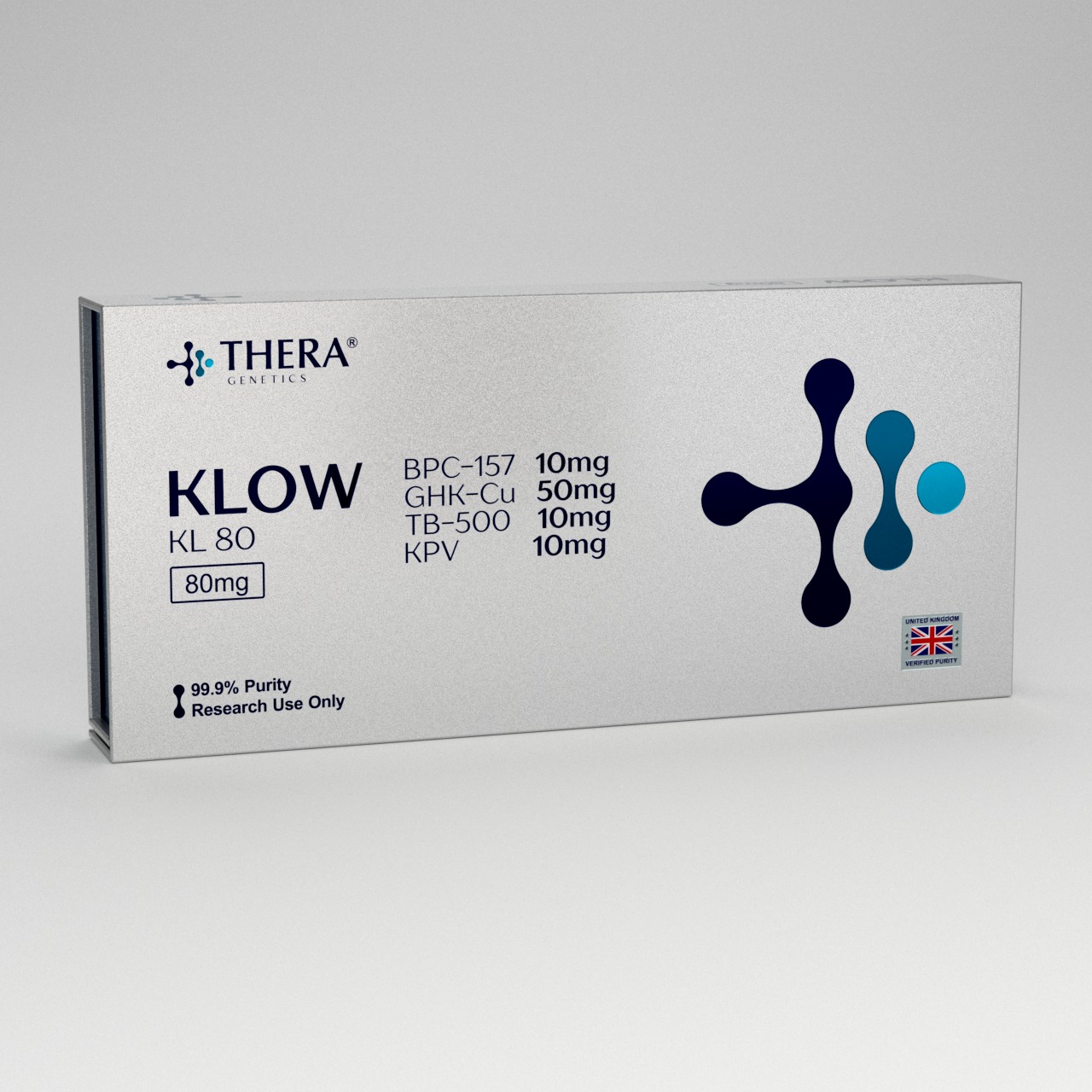
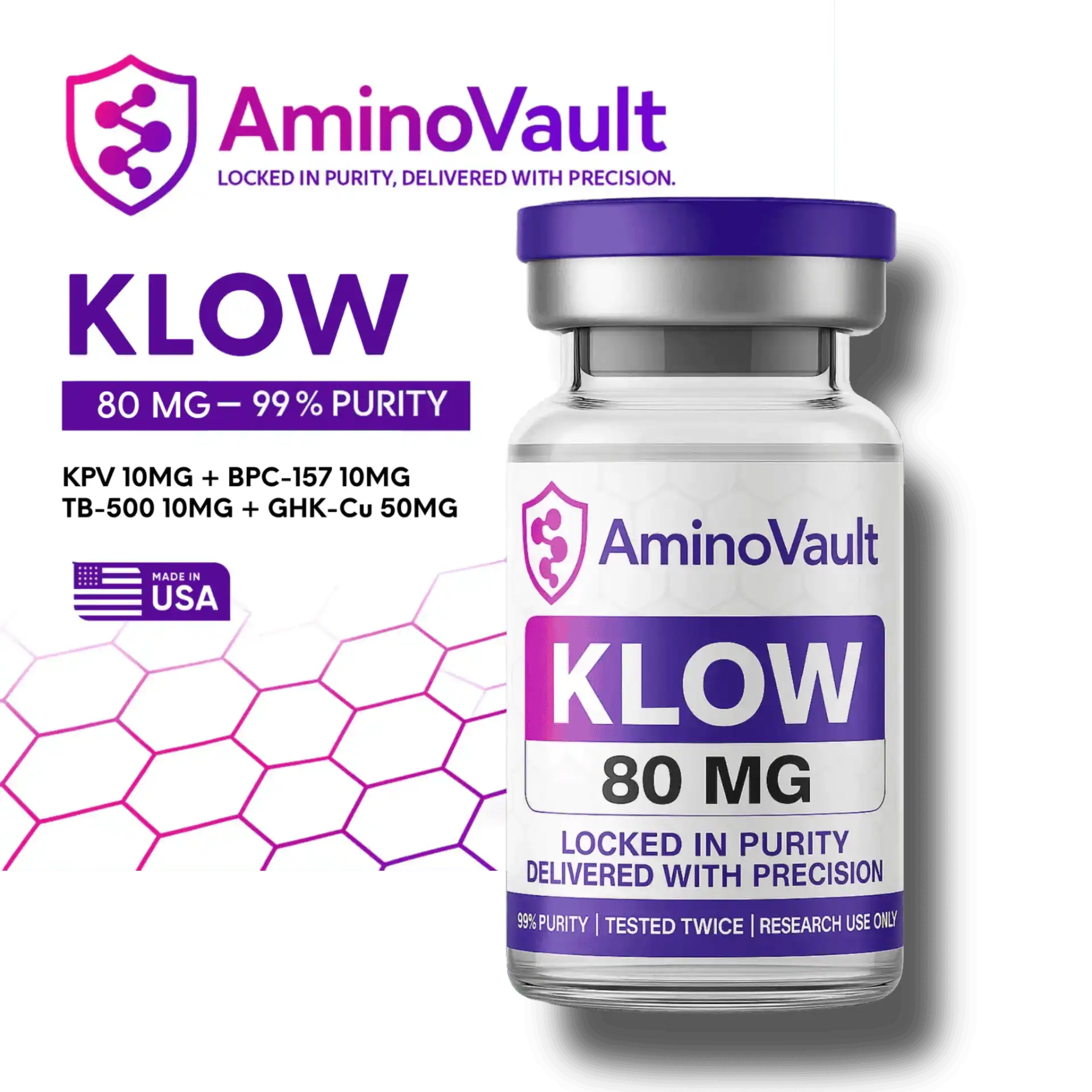
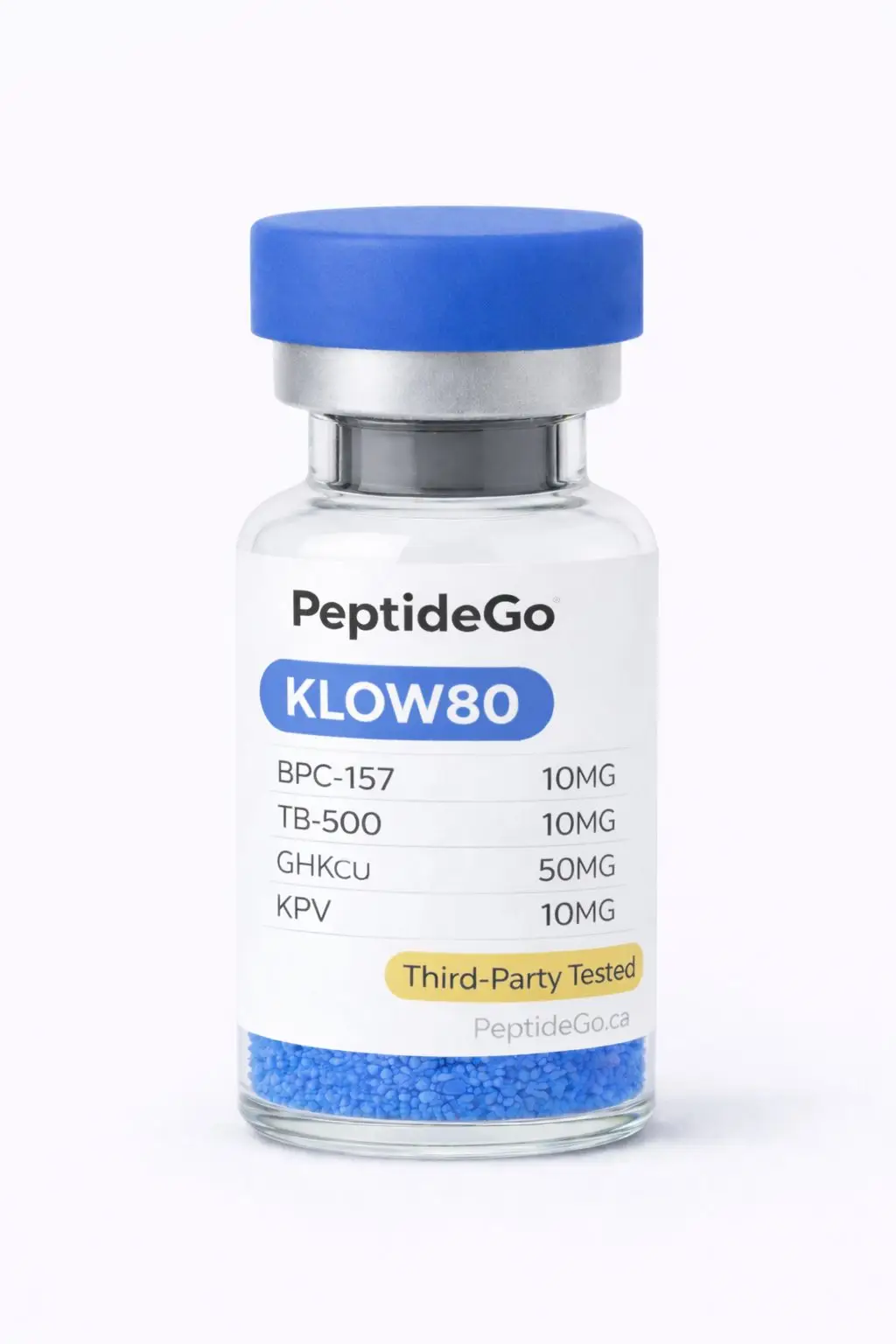
Research Limitations and Gaps While the individual peptides have encouraging results in animal or cellular models, several limitations remain: Lack of clinical trial data on combinations or long-term effects Unknown interaction dynamics between multiple peptides in vivo Variability in peptide purity and stability among sources Dosing and timing considerations remain undefined in a blended context Limited human translational data beyond small pilot or observational studies Further research is needed to determine how such peptides behave together , including any potential synergistic , neutral , or even antagonistic interactions
In more focused areas, such as clinical-style trial design, bodybuilding research, or gender-specific studies, it offers clarity and precision
The most important unresolved safety-related research gaps include long-duration exposure, broader dose-response toxicology, sex-specific effects, reproductive and developmental endpoints, hematology, immune monitoring, genotoxicity assessment, and comprehensive off-target profiling across methyltransferase and non-methyltransferase targets
B12 supports nerve function and red blood cell production, which relate to mental clarity and steady energy
BPC-157, a stable gastric pentadecapeptide, works primarily through angiogenic (blood vessel formation) and nitric oxide pathways, showing particular efficacy in gastrointestinal, tendon, and ligament healing in animal models
Read More